
Trevor’s Journey: Resilience with Systemic Sclerosis
Key Takeaways
- After a scuba diving accident, Trevor was catapulted into a period of uncertainty filled with testing that eventually revealed he had interstitial lung disease, a life-threatening complication associated with scleroderma.
- Trevor was specifically diagnosed with diffuse systemic sclerosis, a rapidly progressing form of scleroderma—this rare autoimmune disease causes excessive collagen production, resulting in scarring and vascular dysfunction.
- Trevor had to navigate grave symptoms, from worsening shortness of breath to rising pulmonary artery pressures that placed strain on his heart, forcing him to become an advocate for his own health.
- Even though there were many setbacks, Trevor found a knowledgeable care team that helped him slowly stabilize his condition through treatment. Since then, he has rebuilt his physical strength and regained a sense of normalcy.
A Life-Altering Moment Beneath the Surface
Before getting diagnosed with a chronic, rare autoimmune rheumatic disease, Trevor Sherman lived a fast-moving, active life. When he wasn’t working at his full-time job, he often went out with friends or traveled. He always sought out new adventures, but little did he know that one of these adventures would spark a chain of events that would shake up his life in a frightening way.
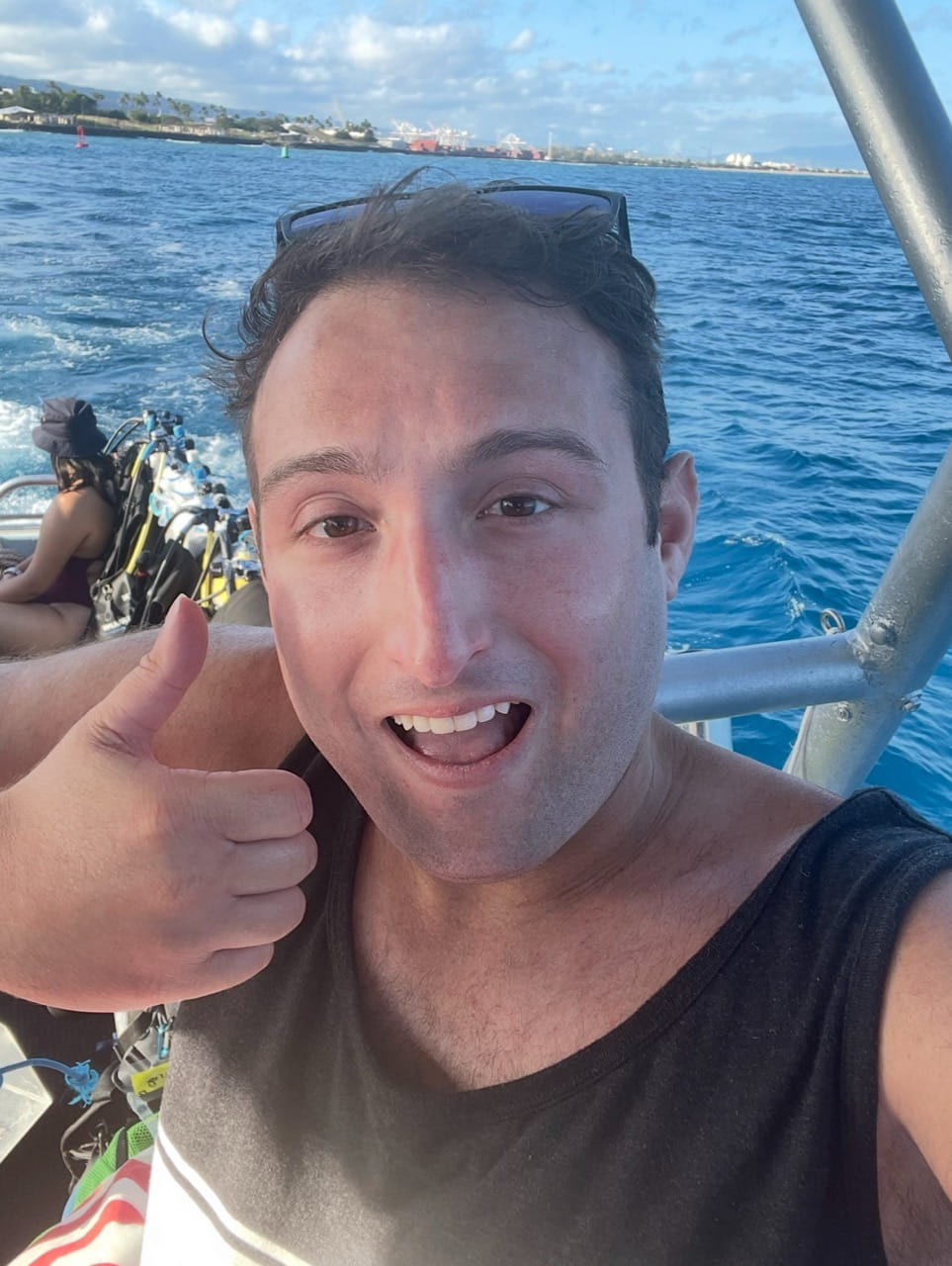
While on a trip to Hawaii, Trevor went on a scuba diving excursion, excitedly throwing a thumbs-up before jumping into the water—the next thing he knew, he was fighting for his life. While underwater, he suddenly felt pain coursing through his body, and movement became difficult.
In response to this terrifying scuba incident, doctors worried Trevor had a pulmonary embolism. To test for this, they scheduled computed tomography (CT) to get a deeper view of his chest, but what they found was even more surprising: interstitial lung disease, which is a life-threatening condition strongly associated with scleroderma, a rare type of autoimmune disease that Trevor didn’t know he had.
From Uncertainty to Diagnosis
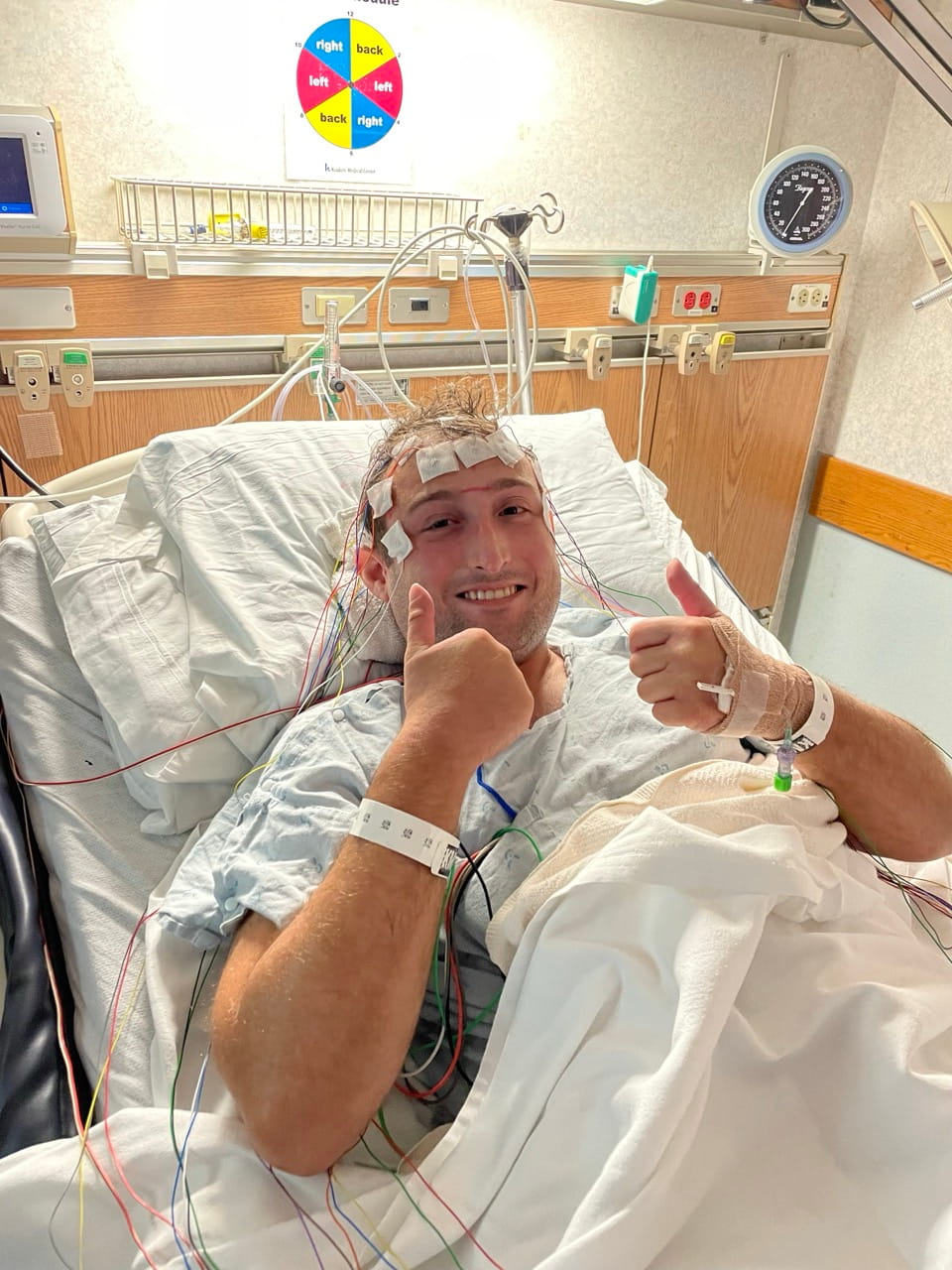
Getting an accurate diagnosis was not a simple, straight path for Trevor. After experiencing strokes and a seizure from the dive accident in July 2023, he had to go through a myriad of tests to uncover the true cause.
In addition to the previously mentioned chest CT, some examples of tests Trevor went through to obtain and gauge the severity of his diagnosis are:
- A right heart catheterization to test for pulmonary arterial hypertension
- An electroencephalogram (EEG) to detect abnormal brain wave patterns
- A pulmonary function test to measure lung volume, capacity, and air flow
- A high-altitude simulation test (HAST) to determine if supplemental oxygen is needed during air travel
Each test presented Trevor’s care team with new insight, but the chest CT was especially helpful in uncovering his interstitial lung disease (ILD) and carving the path to his ultimate diagnosis of diffuse systemic sclerosis (dcSSc).
What is ILD?
Interstitial lung disease is a life-threatening condition that affects the tissue around the lung’s air sacs, preventing oxygen from seamlessly moving into the bloodstream. It can cause progressive shortness of breath and reduced lung function, putting it at the center of many of Trevor’s initial health complications, but it wasn’t the main source; it was merely a product of his underlying autoimmune condition, dcSSc.
What is dcSSc?
Diffuse Systemic Sclerosis is a very severe subtype of scleroderma characterized by excessive collagen production, leading to skin thickening over large areas of the body and organ damage. Some specific organs and organ systems that are at high risk of being damaged by dcSSc are:
- The gastrointestinal tract
- Kidneys
- Lungs
- Heart
It was a bittersweet moment when Trevor was eventually diagnosed with dcSSc. It brought clarity but also a heavy weight—Trevor knew he would have to navigate this chronic illness for the rest of his life.
Rapid Health Changes and Early Impact of Diagnosis
Unfortunately, even after his diagnosis, Trevor’s condition continued to worsen. Since there wasn’t immediately a clear, effective path to treatment, his shortness of breath became more pronounced before it got better. By November 2023, Trevor couldn’t walk 10’ without his oxygen saturation plummeting.
Trevor had to adjust from an active and independent lifestyle to one shaped by medical limitations, carefully pacing everyday activities that once felt effortless. Things he loved to do, such as traveling or simply hanging out with friends, became more complicated as his energy levels fluctuated unpredictably.
Dealing with an Invisible Challenge
From the outside, Trevor often appeared the same. He didn’t always look sick to the people he was interacting with, which made it harder for others to fully understand what he was experiencing. This disconnect can be common in autoimmune disease, where symptoms are real and impactful but not always visible.
If you are going through something similar, it is essential to find a support group comprised of understanding individuals who can help you navigate both the physical and emotional complexities of an autoimmune disease.
Advocacy, Treatment, and Response
Faced with a condition he hadn’t expected, Trevor made the deliberate choice to play an active role in his medical care. Some steps he went through as a self-advocate were:
- Investing time to find the right specialists who were knowledgeable and compassionate
- Using educational resources to help him understand his diagnosis and learn about treatment options
- Asking detailed questions during medical appointments and refusing to settle for subpar care
Regarding step 1, autoimmune diseases like diffuse systemic sclerosis often require input from multiple specialists, including rheumatologists, pulmonologists, and other providers. Finding clinicians with experience in managing complex autoimmune conditions like his made a measurable difference in Trevor’s care.
Trust also played a key role. Trevor chose providers who listened, communicated clearly, and took his concerns seriously, which helped create a sense of stability during an otherwise uncertain time.
What Does dcSSc Treatment Look Like?
While there is no cure for systemic sclerosis, Trevor learned that certain therapies can help manage symptoms, slow disease progression, and address specific complications, such as impaired lung function.
Although dcSSc treatment looks different for every patient, some examples of common approaches include:
- The use of immunosuppressants, such as mycophenolate and cyclophosphamide, for lung/skin disease
- The use of vasodilators, including calcium channel blockers and PDE5 inhibitors, for Raynaud’s
- The use of ACE inhibitors for renal crises
Improvement is usually gradual, not immediate, but over time, even Trevor’s severe case of scleroderma stabilized thanks to medical intervention.
Making Complementary Lifestyle Adjustments
Alongside medical treatment, Trevor made several lifestyle adjustments to support his health. Three of the most noteworthy examples are:
- He strategically introduced physical activity, using supplemental oxygen at the start.
- He was intentional about his diet, focusing on high protein, low carbohydrates, and low fat to ensure the foods he ate would positively contribute to his health journey.
- He focused on energy management and implemented self-care practices to fortify his mental resilience.
These changes didn’t eliminate the condition, but they helped create a new baseline. As a result, Trevor was able to regain a sense of control over his health.

Moving Forward with Perspective and Resilience
Trevor has had to push through countless challenges to stabilize his condition and establish a new normal. The resilience he has exhibited can serve as an inspiration to others navigating various autoimmune diseases.
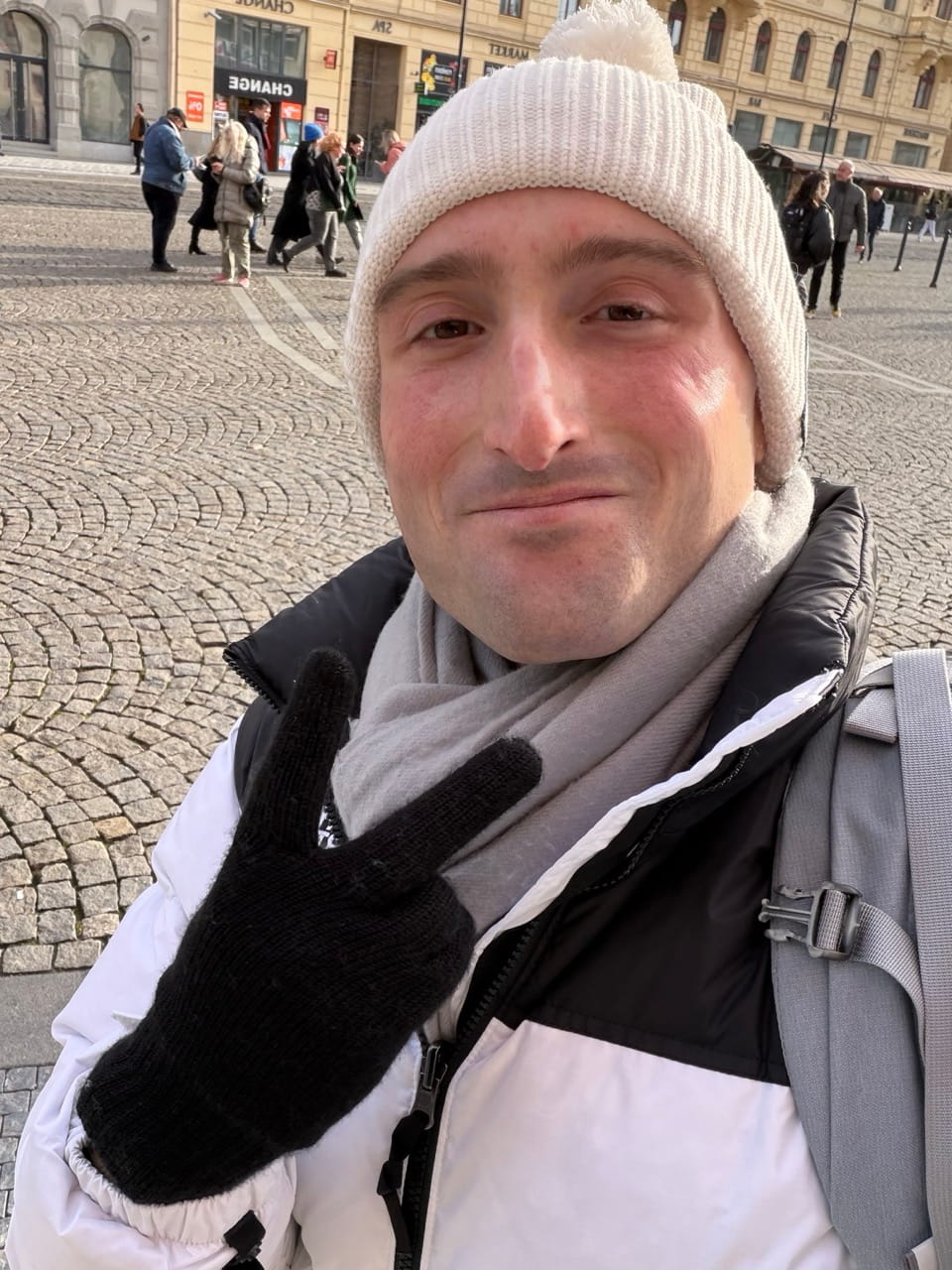
With approval from his care team, Trevor reintroduced elements of his previous lifestyle. For instance, he began traveling again, just with more planning and awareness than before. As mentioned above, regular exercise also became a cornerstone of his new normal, though it was adapted to fit the current state of his capabilities, delicately balancing caution and engagement. Little by little, his stamina and exercise tolerance began to increase.
However, the biggest shift was internal. Living with Systemic Sclerosis has forced Trevor to adopt a new mindset, one that embraces uncertainty rather than resisting it. Some days are better than others—symptoms can fluctuate, and plans may need to change. Since he can’t “stop the waves,” Trevor has simply “learned how to surf.”
Trevor’s Advice for Others Navigating Autoimmune Disease
Trevor’s experience has shaped how he approaches both his own health and the guidance he offers to others. Some suggestions he gives to other people navigating autoimmune disease are:
- Advocate for yourself – Pay attention to your body and trust your instincts. If something feels off, continue asking questions until you get clarity.
- Find the right providers – Not every provider will have experience with rare autoimmune conditions. Seek out specialists who understand your diagnosis and take your concerns seriously.
- Stay persistent – Diagnosis and treatment can take time. Persistence is often necessary to get the answers and care you need.
- Be proactive – Managing autoimmune disease is not a passive process. Staying informed, engaged, and consistent can improve outcomes over time.
Trevor Has Scleroderma; It Doesn’t Have Him
What began as a frightening moment underwater became the starting point for a much larger journey with autoimmunity. Since his scuba incident and scleroderma diagnosis, Trevor has had to rethink his health, his priorities, and how he feels about uncertainty.
Systemic sclerosis will always be a part of Trevor’s life, as it requires ongoing attention, treatment, and awareness. However, it no longer defines his identity or limits his outlook. His autoimmune condition coexists with his goals, his experiences, and his sense of purpose.
The Autoimmune Association means a lot to Trevor, symbolizing awareness and advocacy for people like him who live with these challenging medical conditions. Trevor believes that when we organize instead of agonize, true progress can be made.
As our organization leads the charge to help people like Trevor get the care and recognition they deserve, there are many ways for individuals to get involved and join the cause.
Join our email list
Receive the latest blog articles, news, and more right to your inbox!
Related articles you might be interested in

AJ’s Journey: Finding Answers After Years of Uncertainty
Aliana’s Journey: Living with MS and Finding Community
Hillary’s Journey: Living with Lupus and POTS
Karli’s Journey: Autoimmune Pulmonary Alveolar Proteinosis
Find more resources on autoimmunity
Learn more about autoimmunity, diagnosis tips, how to find a physician, and more.