
Gary’s Journey With Neuro-Behçet’s and Life After Remission
Key Takeaways
- After developing symptoms like painful mouth sores, fatigue, brain fog, and headaches, Gary began a long search for answers that ultimately led to a diagnosis of Neuro-Behçet’s disease.
- When conventional imaging failed to explain his neurological symptoms, his doctor strongly advocated for single-photon emission computerized tomography (SPECT) scans that confirmed brain involvement.
- After losing his career, home, relationship, and independence to illness, Gary gradually entered remission, which came with its own challenges, despite being an extraordinary gift.
- Today, Gary remains in remission, and he has worked incredibly hard to rebuild his identity and find a new sense of purpose, as remission didn’t restore the life he had before he started feeling his symptoms.
Symptoms No One Could Explain
Gary spent nearly 20 years working in the entertainment industry, where long hours and constant pressure had become part of his regular routine. Then, in 2008, his life got shaken up when he began experiencing painful sores in his mouth. The outbreaks lasted about two weeks at a time, made him nauseous, and sometimes made it difficult to speak.
Eventually, Gary developed lesions on other sensitive parts of his body, followed by fatigue, brain fog, and headaches. He knew something was wrong, but finding an explanation proved difficult. Gary visited several emergency rooms and doctors, only to be repeatedly told he had a sexually transmitted disease; he knew that diagnosis did not fit what he was experiencing, so he continued searching for answers.
As he looked for clarity, his symptoms became increasingly difficult to manage. A substantial amount of time passed before he was diagnosed with Neuro-Behçet’s disease and was presented with a path forward.

Hearing “Behçet’s” for the First Time
Interestingly enough, Gary got some of the most useful information about his condition when he wasn’t even explicitly looking for a diagnosis. He was visiting a dermatologist in Los Angeles for an unrelated issue, and the doctor noticed that he was in pain and examined his mouth. After seeing the sores, she told him, “The chances of winning the lottery are higher, but this could be Behçet’s disease.”
Gary had never heard of Behçet’s disease before, so he began reading everything he could find, and quickly learned that it is a rare, chronic inflammatory disorder that causes inflammation of the blood vessels throughout multiple systems in the body.
How Gary Responded to the New Information
After learning about Behçet’s disease, Gary sought care from rheumatologists. He tried several treatments, including medications like:
- Infliximab
- Azathioprine
- Steroids
- Colchicine
Unfortunately, the brand of infliximab that was prescribed to Gary was not covered by his health insurance, forcing him to pay approximately $700 per month out of pocket, even with manufacturer assistance. Even more upsetting, none of these treatments, including the infliximab, provided the level of relief Gary needed. Despite these setbacks, he continued looking for the best way to address his progressing symptoms.
Neurological Impact and a Difficult Diagnosis
Even though he knew about Behçet’s disease, Gary’s health journey was far from over. He began experiencing frightening neurological symptoms that made what he was going through even more challenging and confusing.
Some examples of neurological symptoms he experienced include:
- Memory problems – Gary found it difficult to remember simple details from his past.
- Severe headaches – He was faced with persistent headaches that became increasingly unbearable.
- Vision changes – Gary struggled through long bouts of blurred vision; he also dealt with light sensitivity.
- Nervous system dysfunction – He exhibited slurred speech, tremors, and profound weakness at times.
- Dizziness and coordination problems – He also experienced vertigo and other disruptions to his physical coordination.
- Temporary paralysis – On occasion, Gary even felt incapable of moving his body.
Gary had magnetic resonance imaging (MRI) performed on multiple occasions, but none explained the neurological symptoms he was going through. It was frightening to have little objective evidence to explain what was happening in his brain.
Getting the Right Type of Brain Scan
Eventually, Gary was able to find a suitable doctor for his unique situation, one who continues to treat him today. This doctor helped Gary navigate health insurance, getting his insurance company to cover a single-photon emission computerized tomography (SPECT) scan.
Unlike the MRIs, which were the only scans initially covered by Gary’s insurance, this SPECT scan revealed evidence of brain involvement. Two additional SPECT scans, which were spaced about a year apart, helped provide even more information by allowing his doctor to track the progression of abnormalities.
The SPECT scans were the key to establishing a diagnosis of Neuro-Behçet’s disease—this is a specific form of Behçet’s that affects the nervous system. In Gary’s case, inflammation was disrupting blood flow and contributing to his neurological symptoms.
Having an explanation was an important step, but the disease had already taken a significant toll by the time he got approved for SPECT scans and understood his condition more thoroughly.
Reflecting on His Fight for the SPECT Scan
Looking back, Gary recognizes the difficulty of having to fight for access to the very test that finally helped explain his symptoms. His experience also highlights how insurance restrictions and diagnostic barriers can delay answers for people living with complex autoimmune conditions, a big reason why autoimmune advocates push for reform on Capitol Hill.
The Impact on His Life
Gary managed his illness for approximately ten years before its effects became too overwhelming. Eventually, he lost three of the biggest parts of his life at the time, including:
- His career
- His home
- His relationship
His doctor told him he would need full-time care, so he left Los Angeles and moved to the Pacific Northwest, where family members could help look after him.
For a little over three years, Gary spent most of his time on the couch or in bed. His health, independence, and sense of self had deteriorated, and he experienced some of the darkest moments of his life. He attempted to take his own life and was subjected to two 72-hour psychiatric holds.
It is common for people coping with autoimmunity to experience feelings of worthlessness, fear, depression, anger, and self-pity. If this applies to you, know that you are not alone. Consider joining a support group near you to surround yourself with people at different points in their health journey.
If you are having thoughts of suicide or self-harm, call the 988 Suicide and Crisis Lifeline to talk to someone today. Your conversations are free and confidential.
The Unexpected Challenge of Remission
After approximately three and a half years, Gary began to improve, although the progress was gradual. At first, the possibility of remission brought a mixture of excitement and fear. He did not fully accept that he was getting better until he had experienced a year of steady improvement.
Remission brought relief, but it also introduced an unexpected challenge. Once the initial excitement settled, Gary had to come to grips with everything that his illness had changed—his former career was gone, and his relationships and circumstances had shifted. He could not simply return to the life he had known.
He had to rediscover who he was, find a new sense of purpose, and determine where he belonged after years of having illness shape so much of his identity. Learning to build a new life became its own kind of recovery.
Building a New Life and Purpose
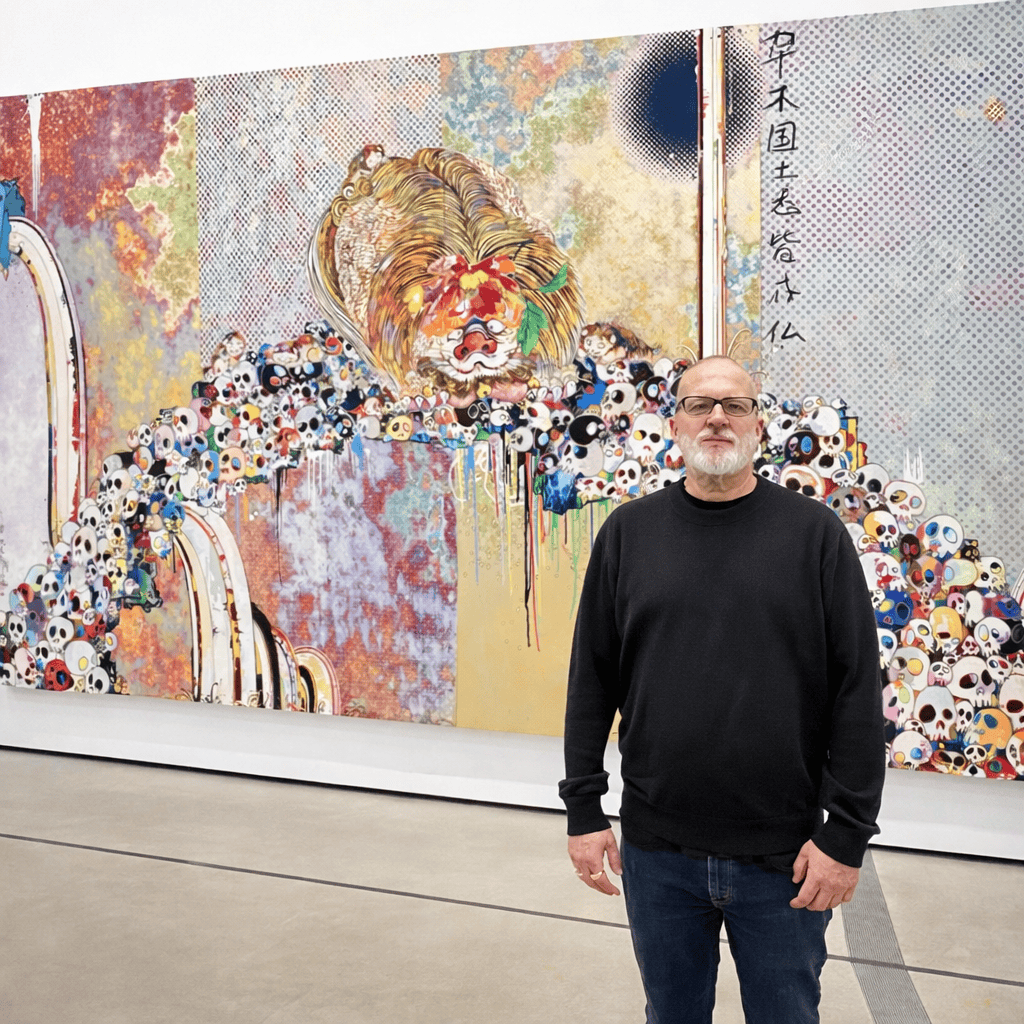
Gary eventually returned to Los Angeles and began rebuilding from scratch. Five years after reaching remission, he continues to do well and has found new ways to use his experiences. He became a board-certified clinical and medical support hypnotherapist, helping people navigate difficult experiences. He is also involved in advocacy through the American Behçet’s Disease Association.
As another impressive feat, Gary has written a memoir called CIGAR BURN: Hollywood, Neuro-Behçet’s, and the Aftermath of Remission, which he is seeking to publish. The book explores the devastating effects of neurological illness and the challenges that can remain after remission.
His work reflects a purpose that emerged from an experience he never expected to face. Although Neuro-Behçet’s changed nearly every part of his life, Gary has found ways to help others through difficult moments and share what he has learned along the way.
The People Who Refused to Give Up on Him
Gary credits several people with helping him survive and navigate his illness, including:
- The doctors who continued searching for answers when treatments failed
- His family members who stepped in when he could no longer care for himself
- His partner and friends who reminded him he was not alone
- His former employer from the entertainment industry who showed him compassion during an exceptionally difficult period
With the help of the people around him, over time, Gary learned to be patient, sit with uncertainty, and appreciate small improvements. He also came to understand that asking for help is not a weakness. As he puts it, “sometimes it is survival.”
His advice to others living with an autoimmune disease is to find a doctor who believes them and listens, if their circumstances allow. He also encourages people to hold on to the parts of themselves that illness cannot take away, including their humor, values, and relationships with people who truly see them.
Why the Autoimmune Community Matters
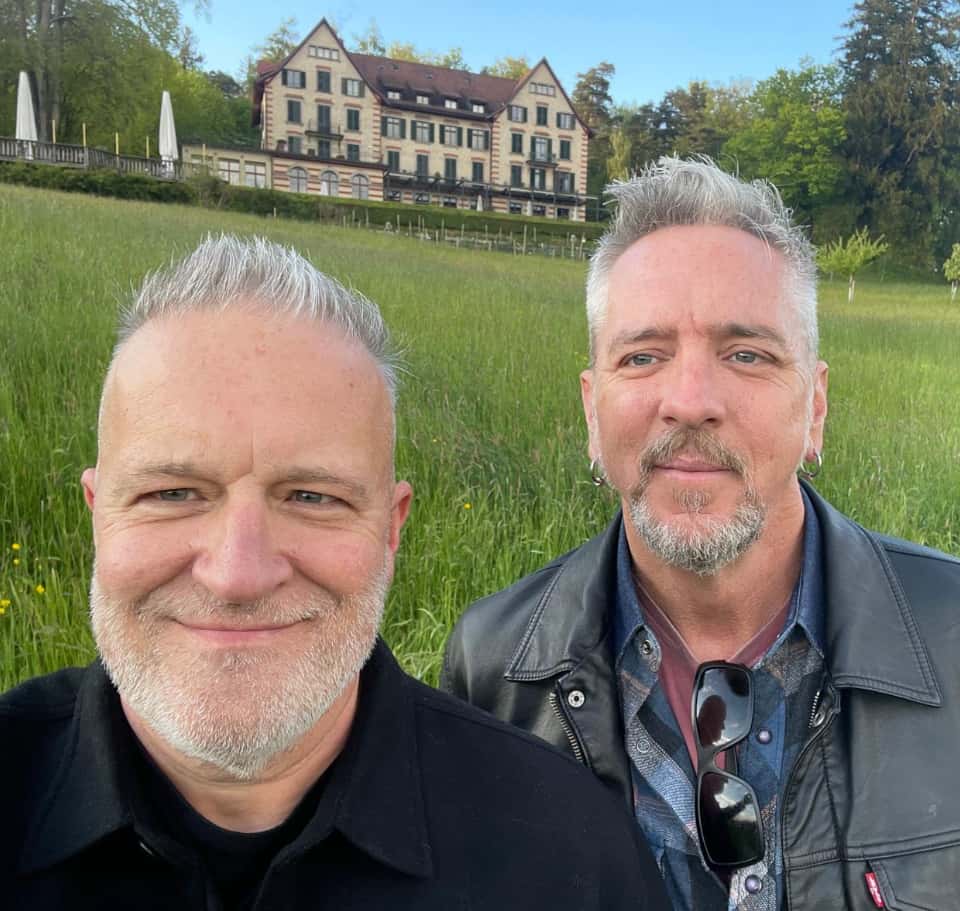
Living with a rare or complex autoimmune disease can be isolating, particularly when symptoms are misunderstood or questioned by others. Gary believes connecting with people who have similar experiences can provide validation, understanding, and reassurance that what someone is going through is real. When individual autoimmune communities come together, he also sees an opportunity to build a stronger collective voice for awareness and support.
Gary wishes he had known about organizations like the Autoimmune Association when he was at his sickest. Although he had an incredible support system, he often felt as though he was navigating an unfamiliar disease alone—looking back, he recognizes how valuable it would have been to connect with a broader community of people who understood the challenges of living with autoimmune disease.
The Autoimmune Association offers a wide range of patient resources available to help anyone living with an autoimmune condition. We also spotlight advocacy opportunities for anyone interested in helping change policy to improve the lives of those with autoimmune disease.
Also, if you have an autoimmune story that you want to share, you can submit it to our team!
Join our email list
Receive the latest blog articles, news, and more right to your inbox!
Related articles you might be interested in

Michelle’s Journey: From Delayed Diagnosis to Living Well
How Zuha Refused to Let Lupus Write Her Story
AJ’s Journey: Finding Answers After Years of Uncertainty
Aliana’s Journey: Living with MS and Finding Community
Find more resources on autoimmunity
Learn more about autoimmunity, diagnosis tips, how to find a physician, and more.