A Deep Dive into the 340B Program
What is the 340B Program?
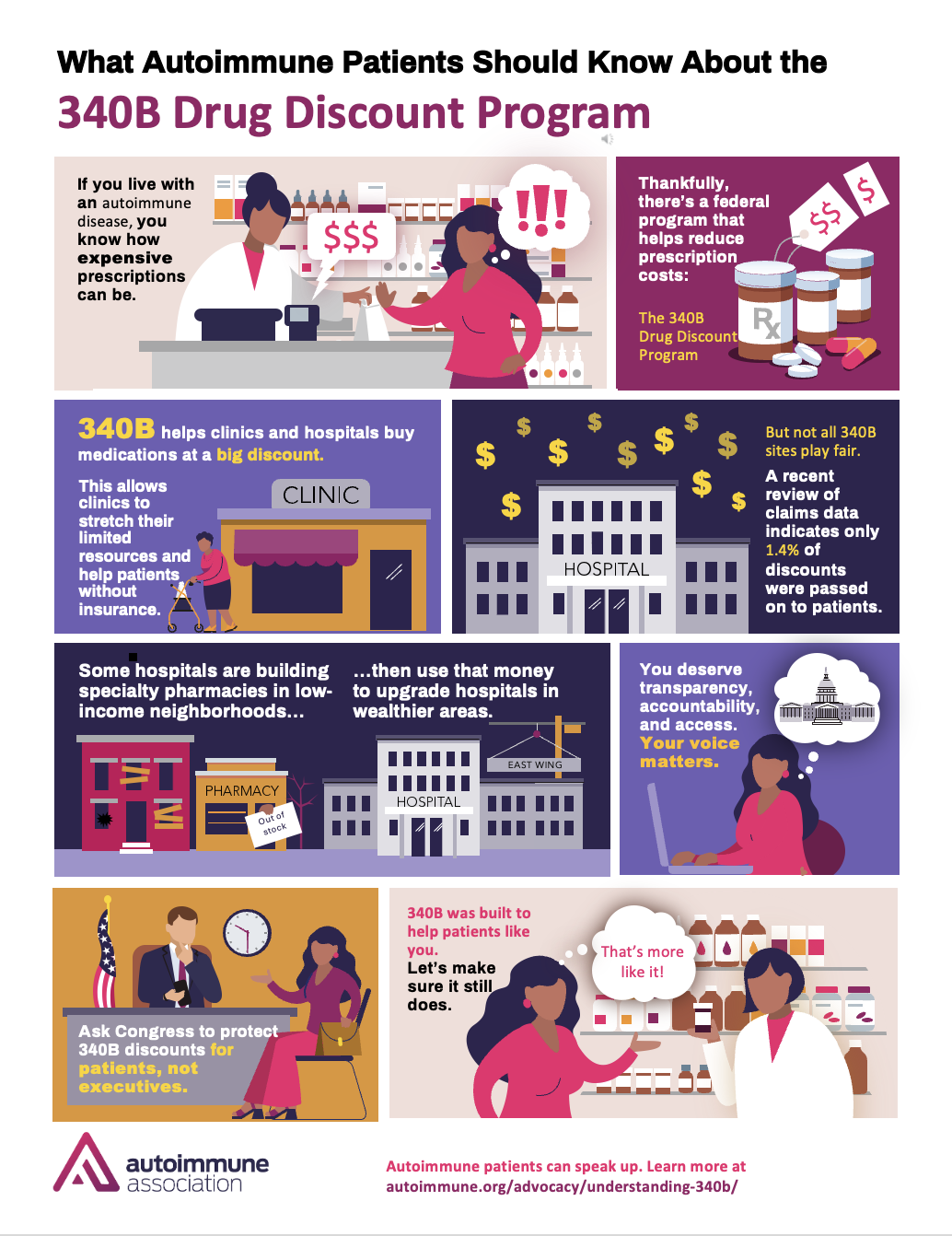
The 340B Program is a federal initiative in the United States that allows certain eligible healthcare organizations, known as covered entities, to purchase outpatient prescription drugs at discounted prices.
For an introduction to the 340B program please click here.
The evolution of the 340B Drug Pricing Program has had unintended consequences for patients, including those who do not directly benefit from the program. Stakeholders, including employers, taxpayers, and providers, are affected by the changes the 340B program has created within the healthcare ecosystem, with downstream impacts on patients.
Impact on Patients
Insufficient transparency regarding the allocation of 340B savings creates uncertainty about whether these savings directly benefit patients. The growth of the program through hospital consolidation has resulted in more covered entities (CEs) becoming eligible for the 340B program and a significant increase in the volume of 340B drugs administered or dispensed. As a result, there has been an increase in healthcare costs for payers and patients may face higher prices through increased out of pocket (OOP) costs or premiums and reduced access to charity care. Because hospital consolidation and expansion of CEs is largely focused in more affluent areas, resources may be diverted from low-income communities. The confluence of factors that negatively impact patients requires policymakers to assess opportunities to reform the 340B program in a manner that prioritizes patients.
While geographic disparities reflect the concentration of 340B‑participating sites in higher‑income areas, insurance‑based inequities represent a distinct dynamic in which patients—regardless of insurance type—may face higher premiums or cost‑sharing even when their care generates substantial 340B revenue for providers. These dynamics can compound, leaving many patients without consistent affordability benefits.
As the 340B program has expanded, questions have emerged about how patient eligibility is defined and whether patients are experiencing any program benefits. Under current HRSA guidance, covered entities may generate 340B savings from a broad range of outpatient encounters, including care provided to fully insured patients who do not receive reduced cost‑sharing or other direct affordability protections. As a result, patients may be contributing to the 340B revenue for covered entities without experiencing lower out‑of‑pocket costs or other meaningful affordability benefits. Because eligibility is not consistently tied to safety net patients, charity care, or a clear care relationship, patient experiences with cost relief can vary widely across providers and settings.
Example: A patient living lupus, who has insurance, receives a biologic infusion administered by a physician in a 340B hospital. Although the hospital acquires the drug at a steep discount, it bills the patient’s insurance for the full negotiated rate. Because the drug was purchased with a 340B discount, the insurer cannot collect its usual manufacturer rebate—raising overall plan costs. These increased costs are ultimately passed on to the patient through higher premiums and coinsurance; however, the hospital still takes a large profit. This example reflects a broader pattern in which patients do not consistently experience lower out‑of‑pocket costs, even as 340B savings increase across the system.
Impact on Medicaid Benefits
The 340B program also affects those who are covered by Medicaid by reducing the rebates state Medicaid agencies can collect, driving down program budgets for patient services. Low-income enrollees may be impacted directly by decreased funding for critical patient care programs, while taxpayers may bear the burden of state budget pressures that require policymakers to consider changes to Medicaid benefits.
For patients, these budget pressures can translate into reduced benefits, narrower coverage, or fewer safety‑net services, particularly affecting individuals with chronic or complex conditions.
Impact on Employer-Sponsored Plans
Employer-sponsored plans may be affected by the 340B program as they often reimburse CEs at a higher amount than the drug acquisition cost, increasing drug spending for the plan. The growth in employer drug costs driven by 340B program dynamics may be passed on to employees through changes to plan design that increase premiums, deductibles, and cost-sharing.
These cost increases are often passed to patients through higher premiums and cost‑sharing, which can be especially challenging for individuals managing chronic autoimmune diseases and other conditions requiring specialty or biologic therapies.
Together, these patient‑level dynamics point to the need for reforms that more reliably translate 340B savings into meaningful affordability benefits.
Solutions
Several policy solutions can be implemented to strengthen and modernize the 340B program. These policies aim to ensure patients benefit from the 340B savings, increase transparency on how 340B savings are used, and ensure that the 340B program savings are passed onto patients:
- 340B Discount Passthrough: 340B discounts should be passed directly to patients through lower OOP costs for prescription drugs and sliding fee scales, like those used by Federally Qualified Health Centers, for patients who are uninsured or earn less than 200% of the federal poverty level.
- Minimum Charity Care Standards: Establish baseline charity‑care requirements for hospitals participating in 340B to ensure savings benefit low‑income patients.
- Patient Definition: Modernize the 340B patient definition to better align program benefits with intended patient populations and promote.
- Increased Transparency: A neutral, 340B claims data clearinghouse should be established to facilitate public reporting on 340B program data. As part of this, CEs should be required to report how much of the total 340B savings are used to lower patient OOP costs.
- Protect 340B Program Integrity: Safeguards should be implemented to prevent for-profit entities and PBMs from exploiting the 340B program and to ensure that its savings are reinvested in patient care, supporting the program’s safety net mission.